
Top Signs You Need Re-Roofing in Stafford, VA
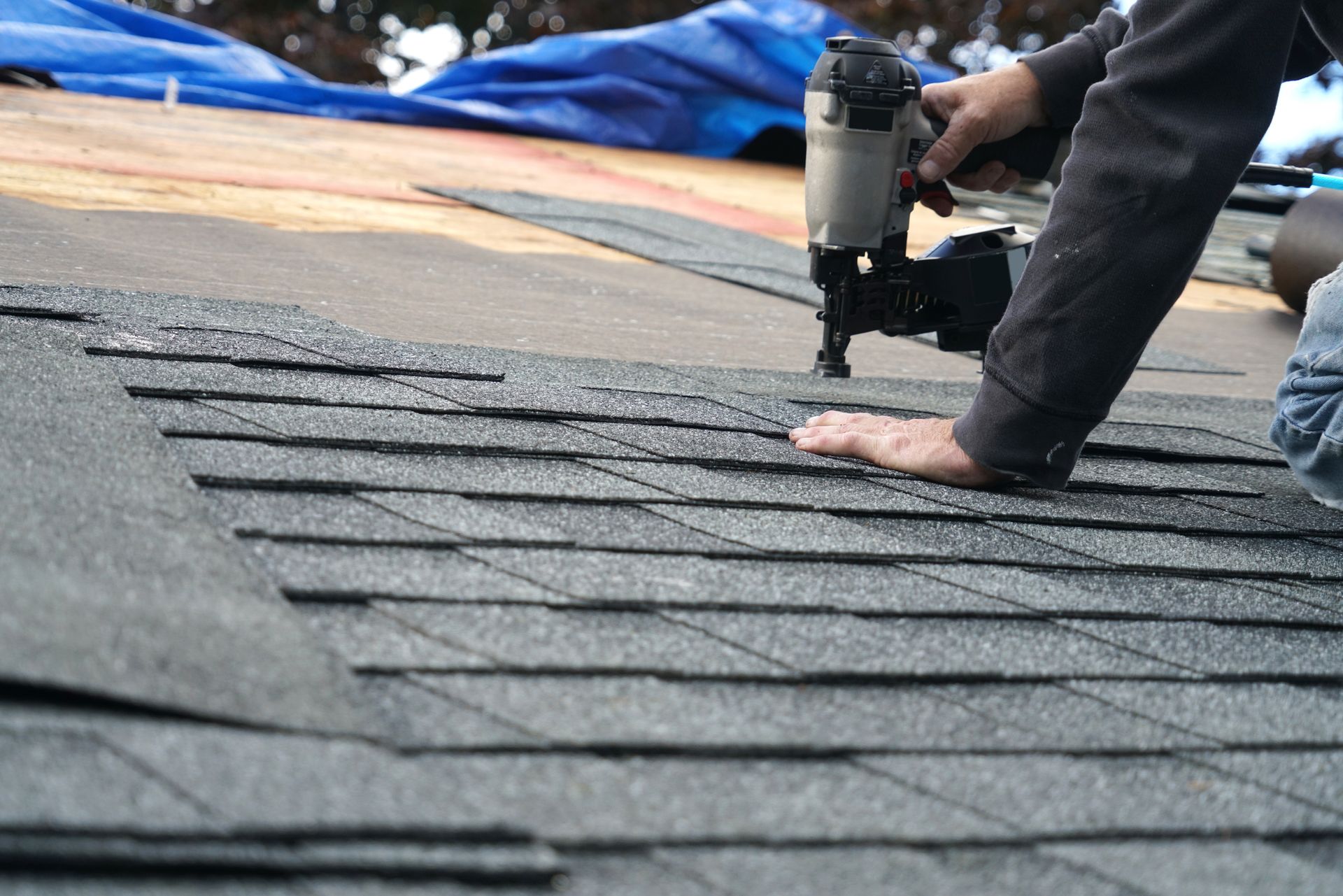
Re-roofing is one of the most important investments you can make. Your roof acts as the first line of defense against harsh weather, moisture, and structural damage. Over time, even the best roofing systems begin to wear down, making timely replacement essential. Ignoring early warning signs can lead to costly repairs, interior damage, and even safety concerns. Understanding the condition of your roof through regular inspections can help you identify minor issues before they escalate into major problems. Factors such as roof age, material type, and past maintenance history all play a crucial role in determining when replacement is necessary. Homeowners in Stafford experience a variety of weather conditions, from heavy rain to strong winds, which can accelerate roof deterioration. That’s why staying proactive with maintenance and knowing when to act is key. Whether you're dealing with aging shingles or storm damage, understanding your roofing needs ensures your home stays protected year-round. A well-maintained roof not only enhances structural integrity but also contributes to better energy efficiency and long-term cost savings.
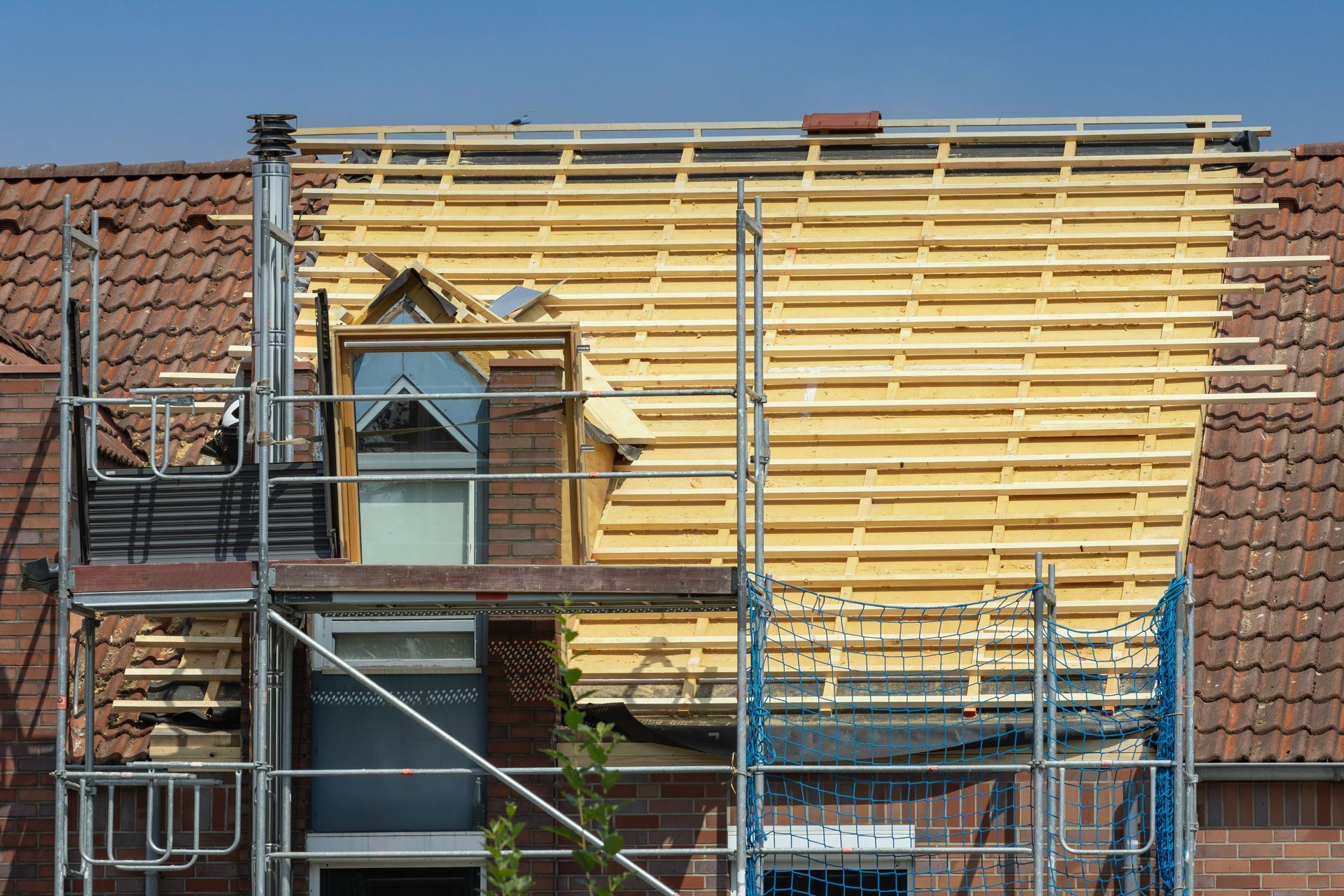
Don’t Ignore the Signs: Protect Your Home Before Roof Damage Gets Worse
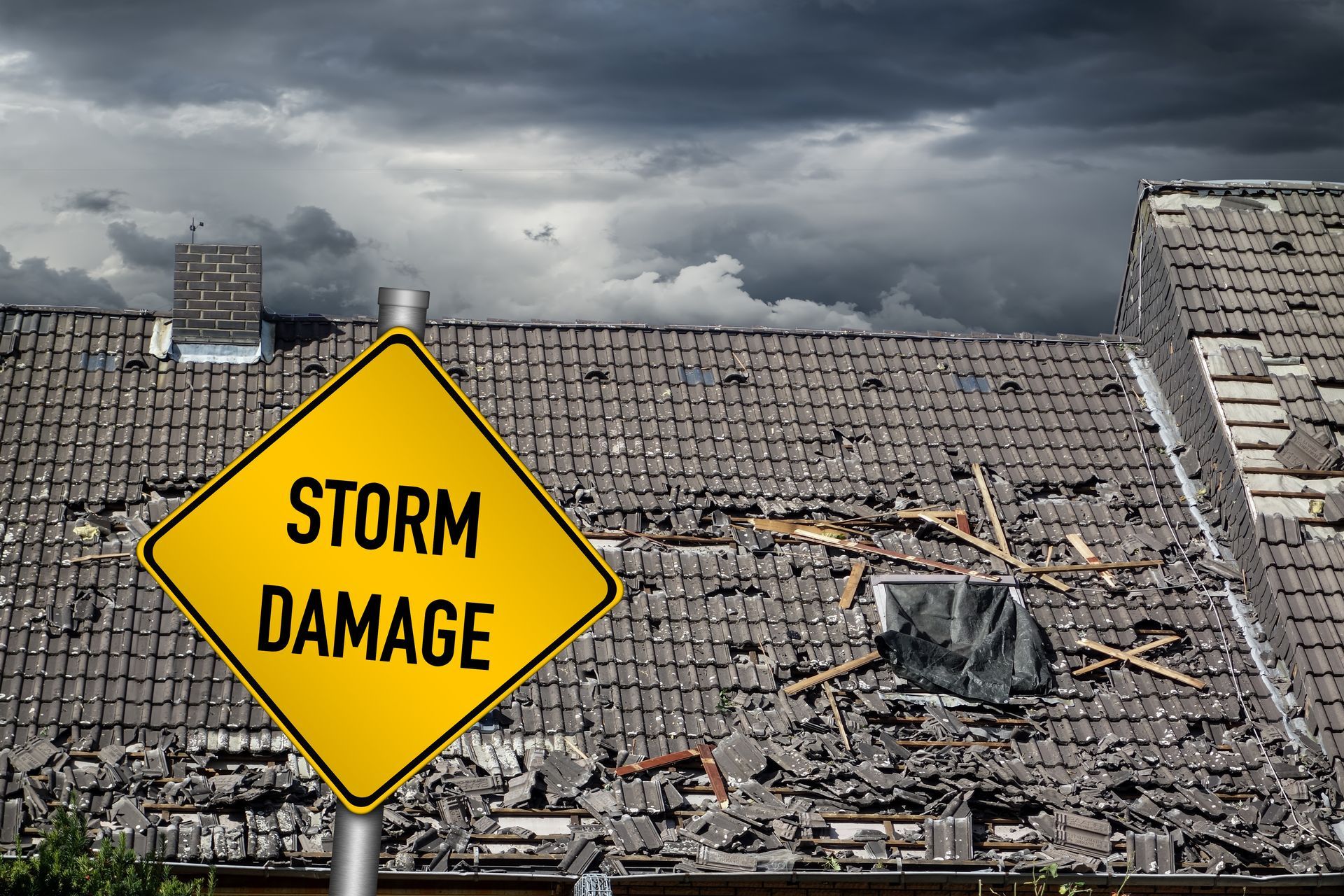
Your roof rarely fails without warning; there are clear signs that indicate when action is needed and recognizing them early can save you from expensive repairs and structural damage. Paying attention to these indicators allows homeowners to plan for re-roofing before problems escalate into serious issues. Small concerns like a minor leak or a few missing shingles may seem insignificant at first, but they often signal deeper underlying damage that can compromise the integrity of your entire roofing system over time. In many cases, what appears to be surface-level wear is actually a sign of aging materials, poor ventilation, or prolonged exposure to harsh weather conditions.
Here are some of the most common warning signs you should never overlook:
- Water leaks or stains: Brown spots on ceilings or walls often indicate water infiltration. Over time, this can lead to mold growth, rotting wood, and even damage to your home’s electrical system if moisture spreads.
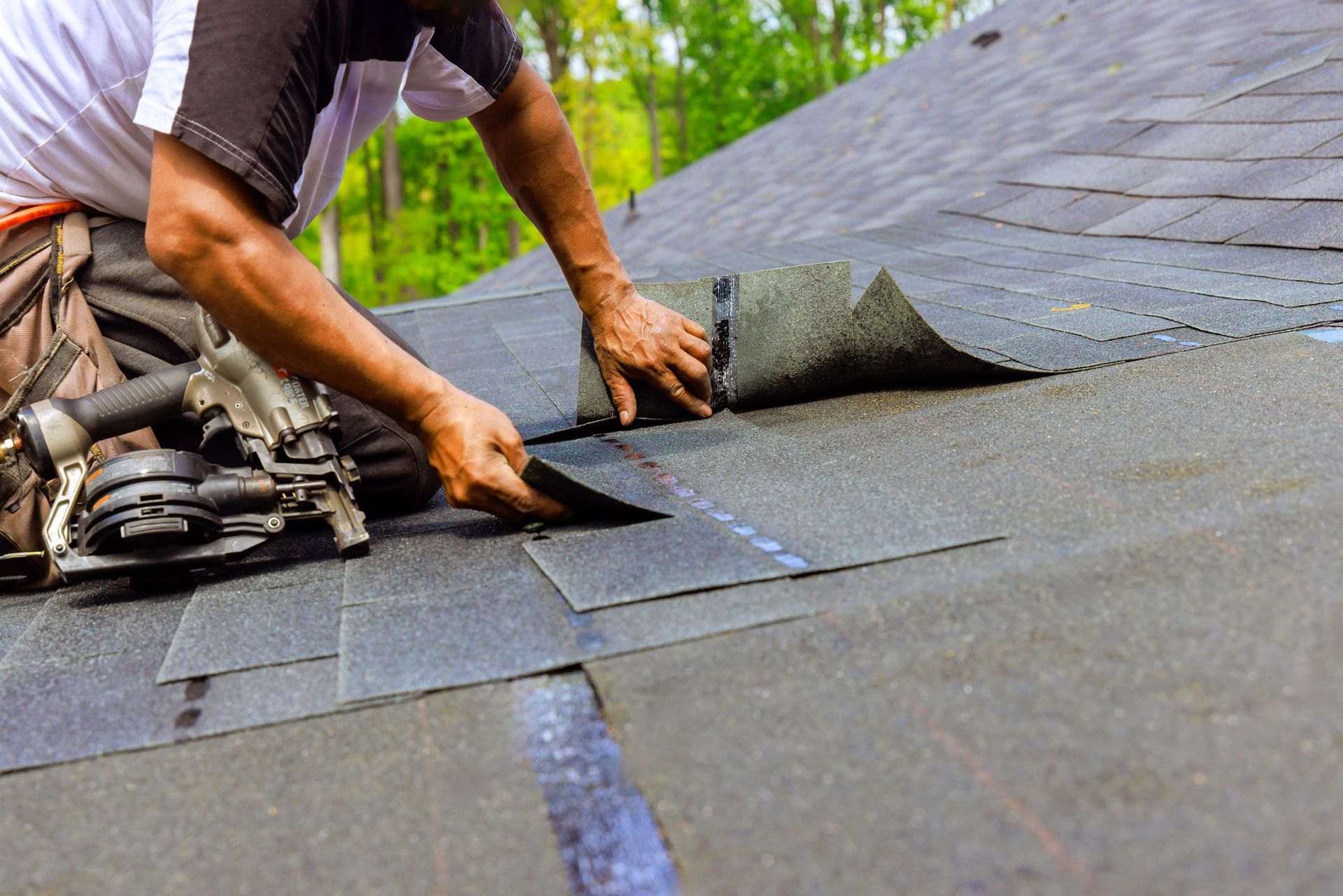
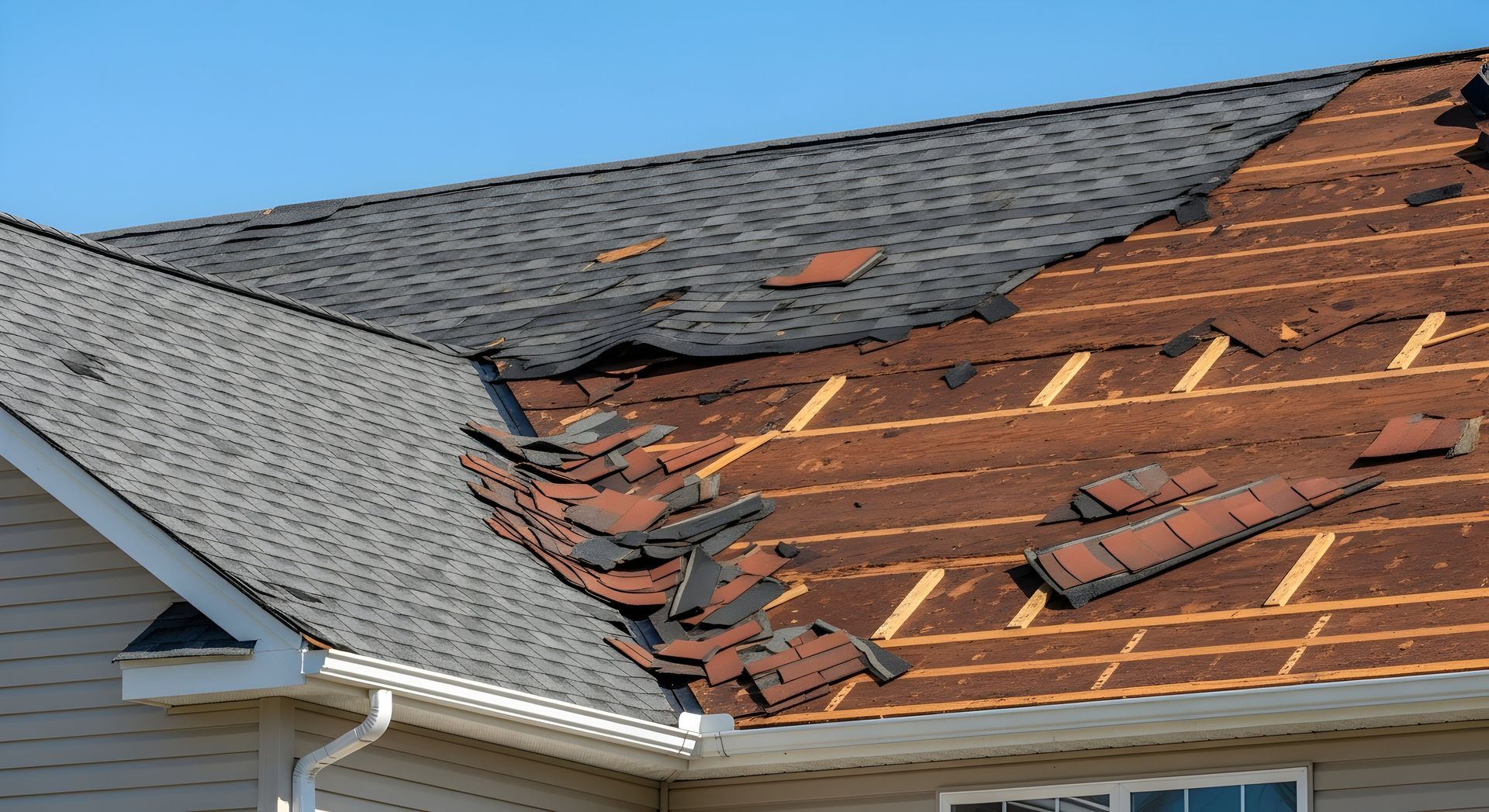
- Missing or damaged shingles: Shingles that are cracked, curled, or completely missing leave your roof vulnerable to wind and rain. This exposure can quickly accelerate deterioration and increase the risk of leaks.
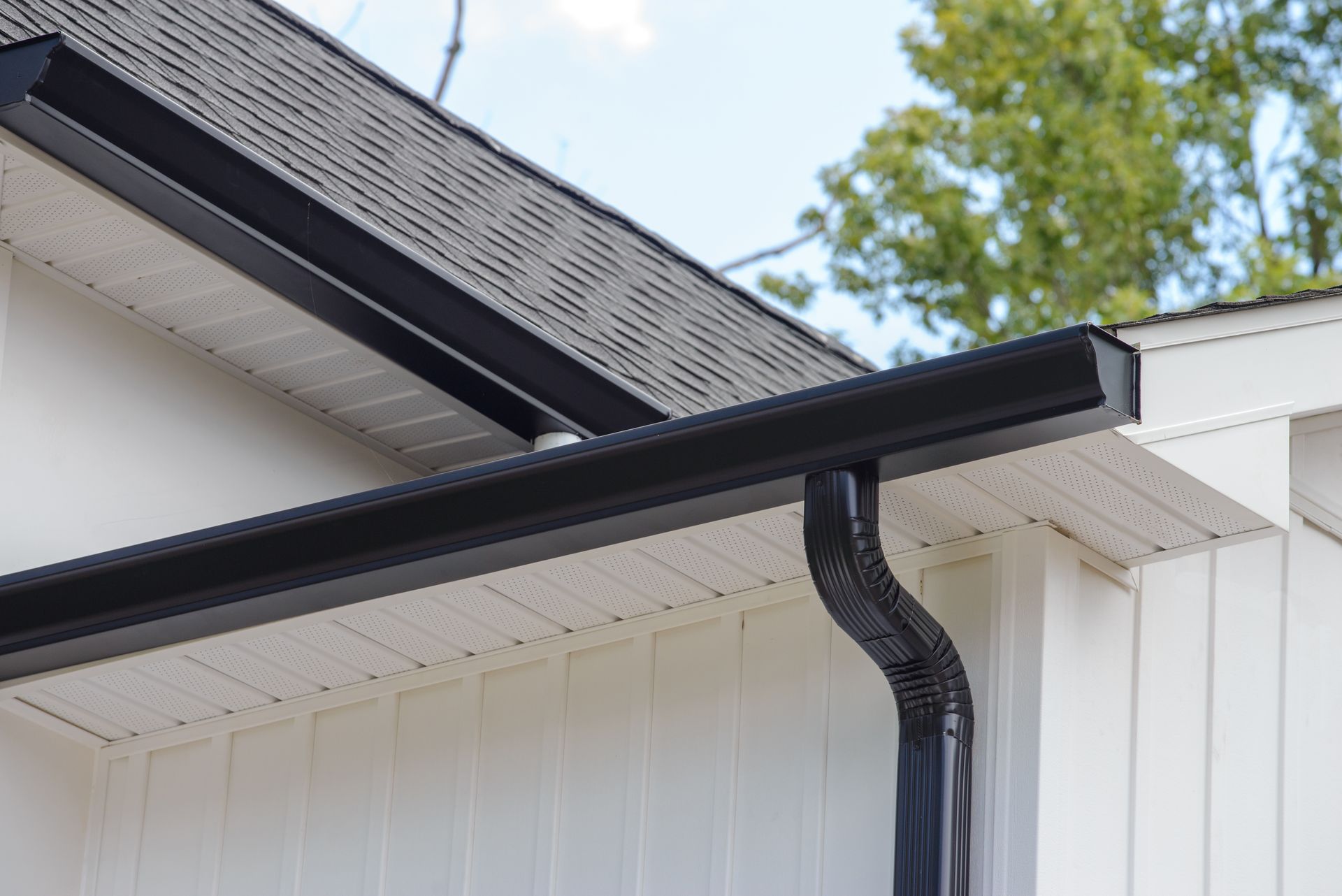
- Excessive granule loss: If you notice granules collecting in your gutters or downspouts, it means your shingles are losing their protective coating, reducing their ability to shield your home from UV rays and moisture.
- Sagging areas: A drooping or uneven roofline is often a sign of trapped moisture, weakened decking, or structural issues that require immediate attention to avoid collapse.
- Moss or algae growth: While it may seem like a minor cosmetic issue, moss retains moisture against the roof surface, which can cause materials to break down faster and shorten the roof’s lifespan.
- Increased energy bills: Poor roof insulation or ventilation allows heat to escape in the winter and enter during the summer, forcing your HVAC system to work harder and raising utility costs.
- Aging roof materials: Even without visible damage, roofs that are nearing the end of their expected lifespan are more prone to failure and should be evaluated regularly.
Being proactive about these warning signs not only extends the life of your roof but also helps you avoid emergency repairs and unexpected expenses. Addressing these issues early gives you the opportunity to plan and budget effectively, rather than dealing with sudden damage after a storm or severe weather event. When multiple signs are present, it’s often more practical and cost-efficient to move forward with re-roofing instead of continuing with temporary fixes that only provide short-term relief.
How Long Does Your Roof Last? Understanding Roofing Material Lifespans
The lifespan of your roof largely depends on the type of material used, as each option offers different levels of durability, maintenance needs, and resistance to environmental conditions. Understanding these differences helps homeowners plan ahead and make informed decisions when considering re-roofing. While some materials are cost-effective and widely used, others provide long-term performance with minimal upkeep.
Here’s a breakdown of the typical lifespan of common roofing materials:
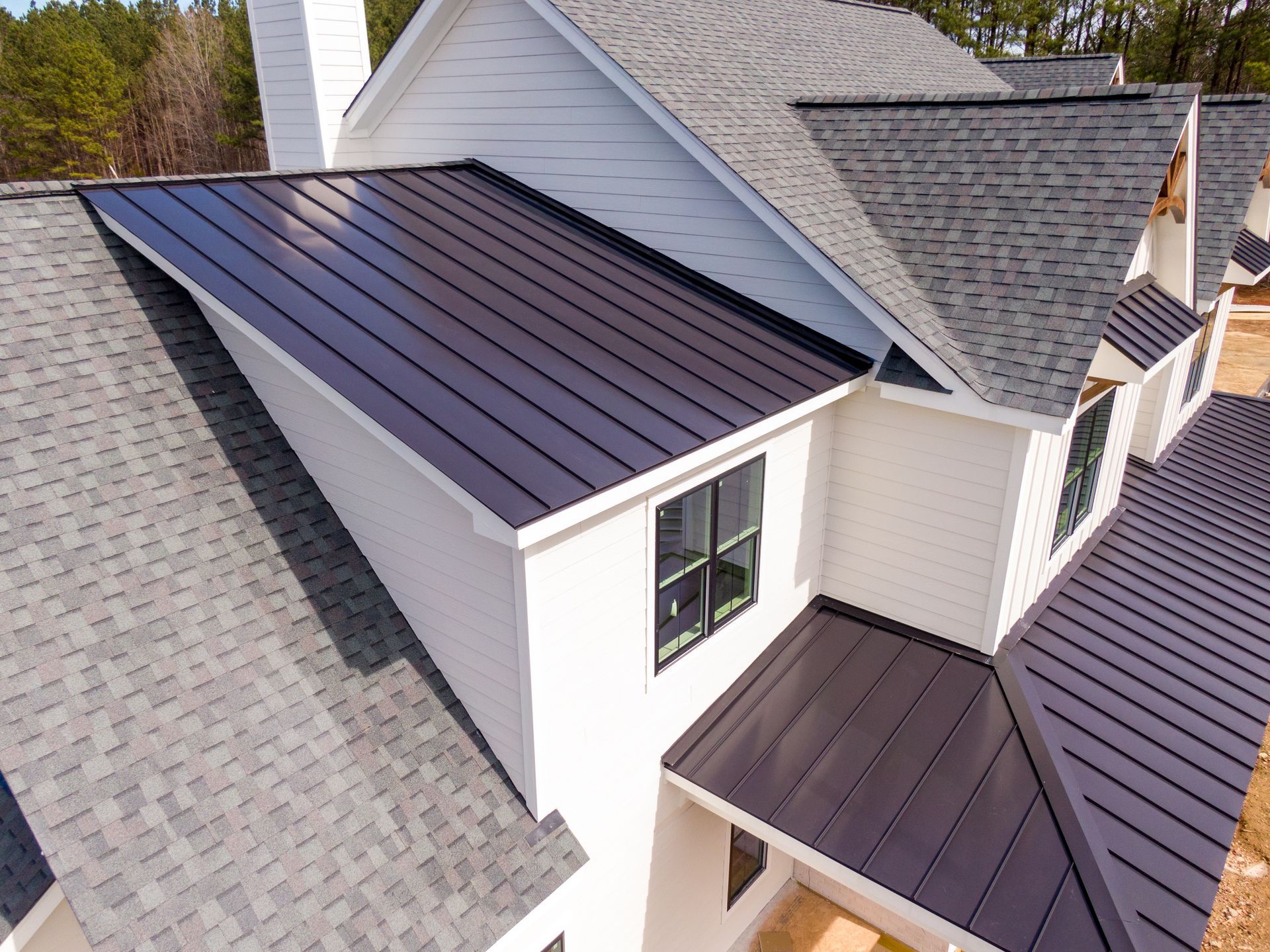
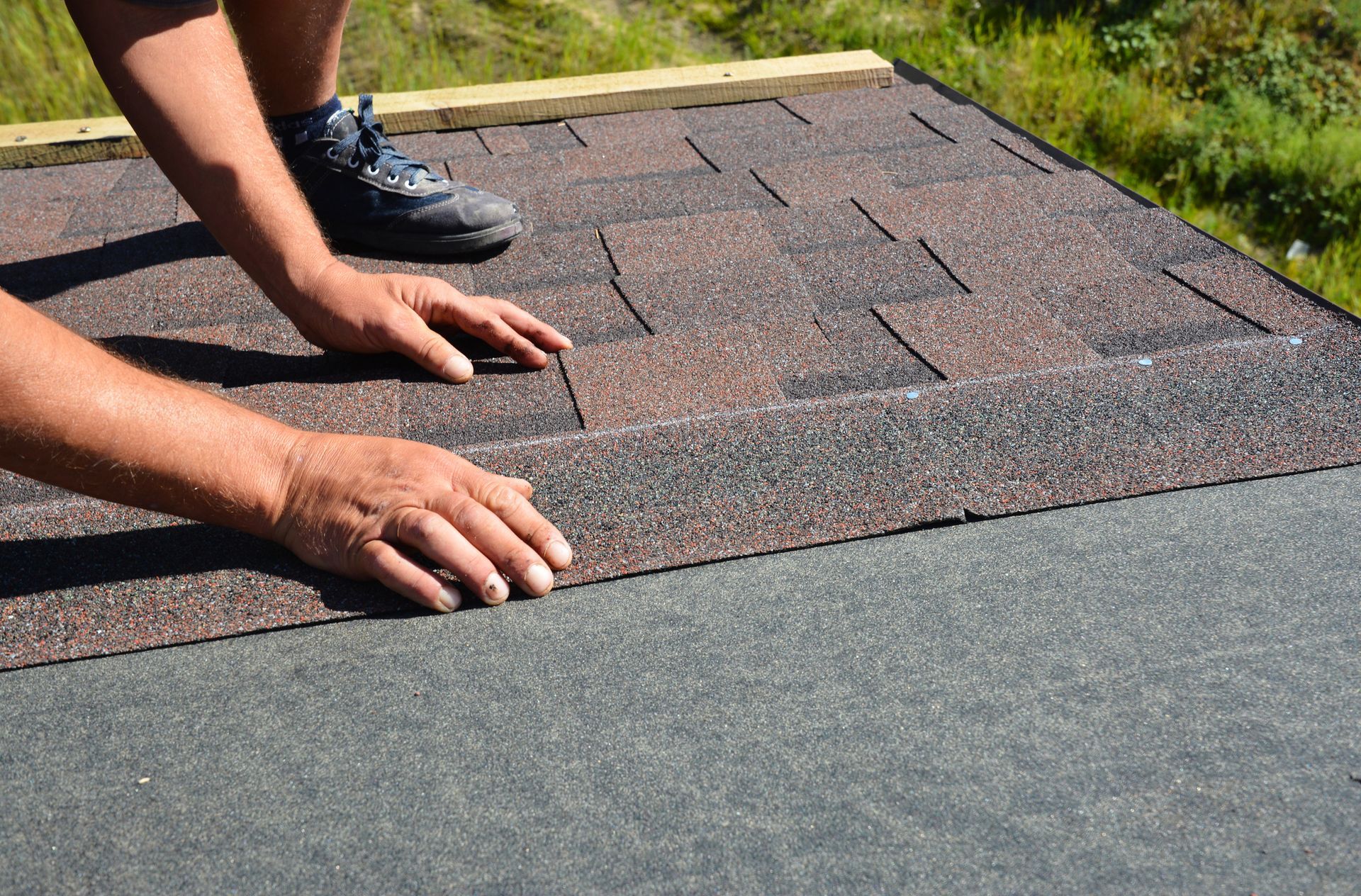
- Asphalt shingles: Usually last between 20 and 30 years and are the most popular due to affordability and ease of installation.
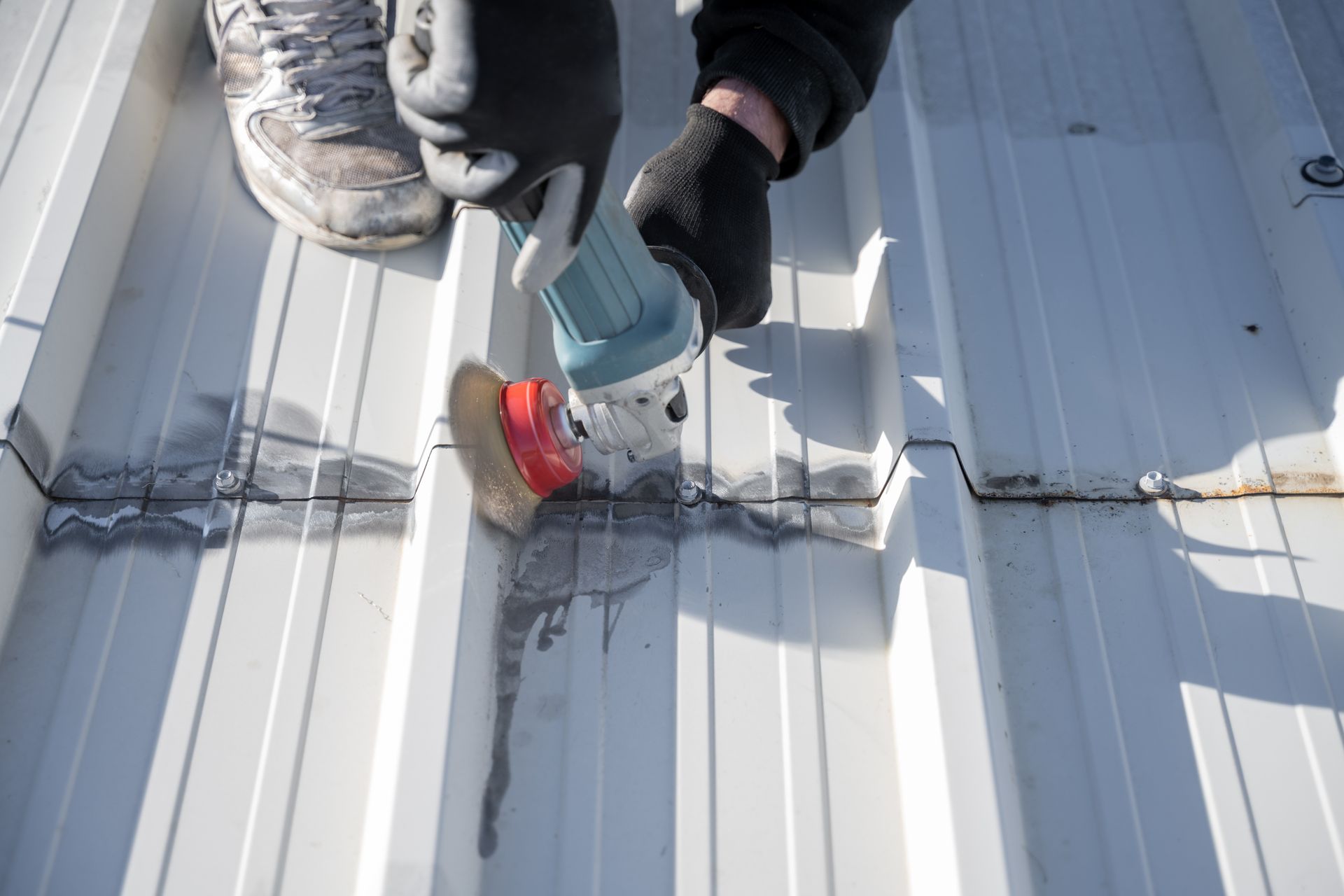
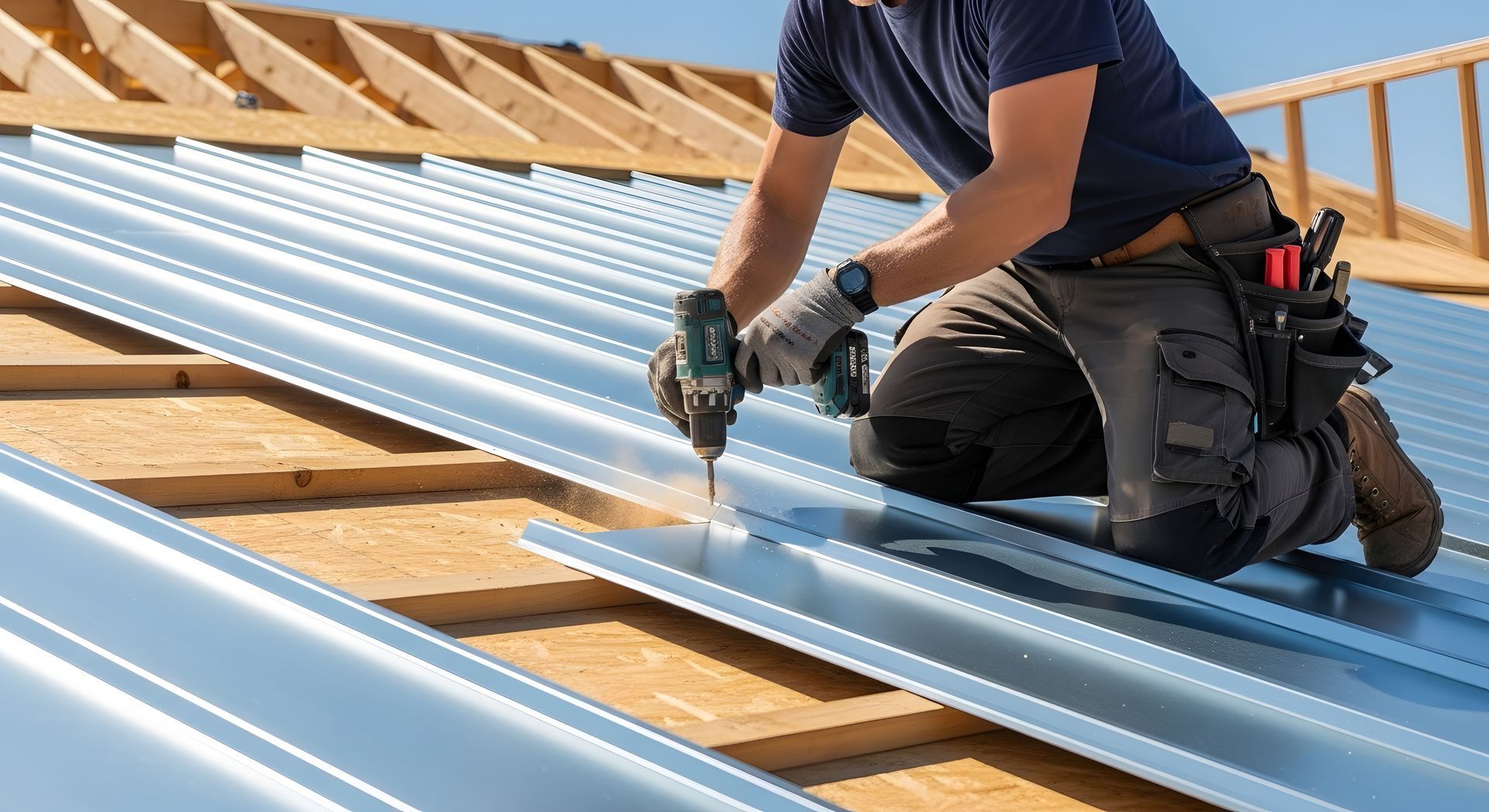
- Metal roofing: Known for its durability, metal roofs can last 40–70 years with proper maintenance and offer excellent resistance to extreme weather.
- Wood shingles or shakes: Typically last around 20–25 years but require regular maintenance to prevent moisture damage and decay.
- Clay or concrete tiles: These materials can last 50 years or more and are highly resistant to fire and harsh weather conditions.
- Slate roofing: One of the longest-lasting options, slate can exceed 75 years and is valued for its natural appearance and exceptional durability.
Act Early, Save More: Why Timely Roof Replacement Matters
Addressing roofing issues at the right time is essential to preventing minor damage from turning into costly and extensive repairs. Delaying necessary maintenance or replacement can allow moisture to seep into your home, weakening its structure and creating long-term problems. Taking a proactive approach with re-roofing helps protect your property, maintain its value, and ensure the safety of everyone inside.
Here’s why acting early is so important:
- Prevents structural damage: Small leaks can lead to rotting wood, weakened supports, and compromised structural integrity.
- Avoids costly repairs: Fixing minor issues early is far more affordable than dealing with major water damage or full roof failure.
- Reduces risk of mold and mildew: Moisture buildup can create unhealthy living conditions and require expensive remediation.
- Improves energy efficiency: A well-maintained roof helps regulate indoor temperatures, reducing heating and cooling costs.
- Protects interior spaces: Timely action prevents damage to ceilings, walls, insulation, and personal belongings.
Don’t wait until minor roofing issues turn into costly repairs. Taking action now can save you time, money, and unnecessary stress down the road. Contact us today to schedule a professional inspection and get expert guidance tailored to your needs.